

































GE WR01X29059 | Our#: 187671
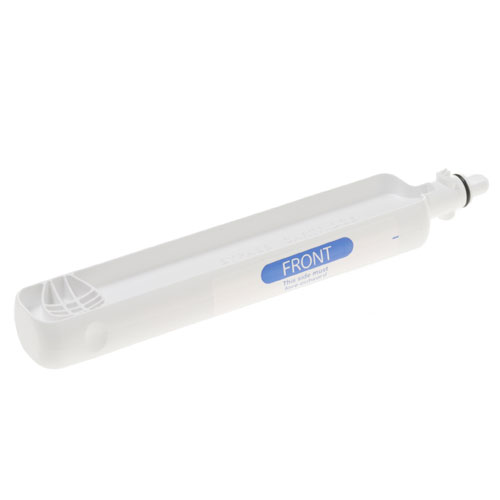
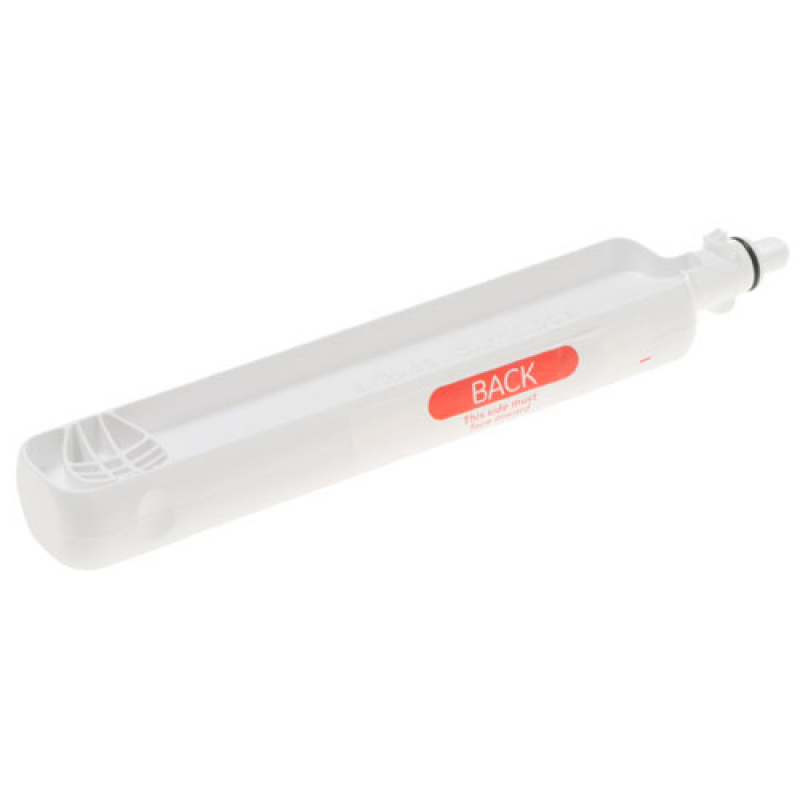
Filter Bypass for GE RPWFE®

GE WR01X29059 | Our#: 187671
- Free Shipping Over $70 & Free Returns
- 100% Compatibility Guarantee
Filter Bypass for GE RPWFE®
3 people in your area recently purchased this product!
$49.95
(1 Filter Bypass for $49.95)
Your Discount: DF20
In Stock
Ships Monday
Frequently Purchased Together-
- Free Shipping Over $70 & Free Returns
- 100% Compatibility Guarantee
Frequently Purchased Together
Frequently Purchased Together
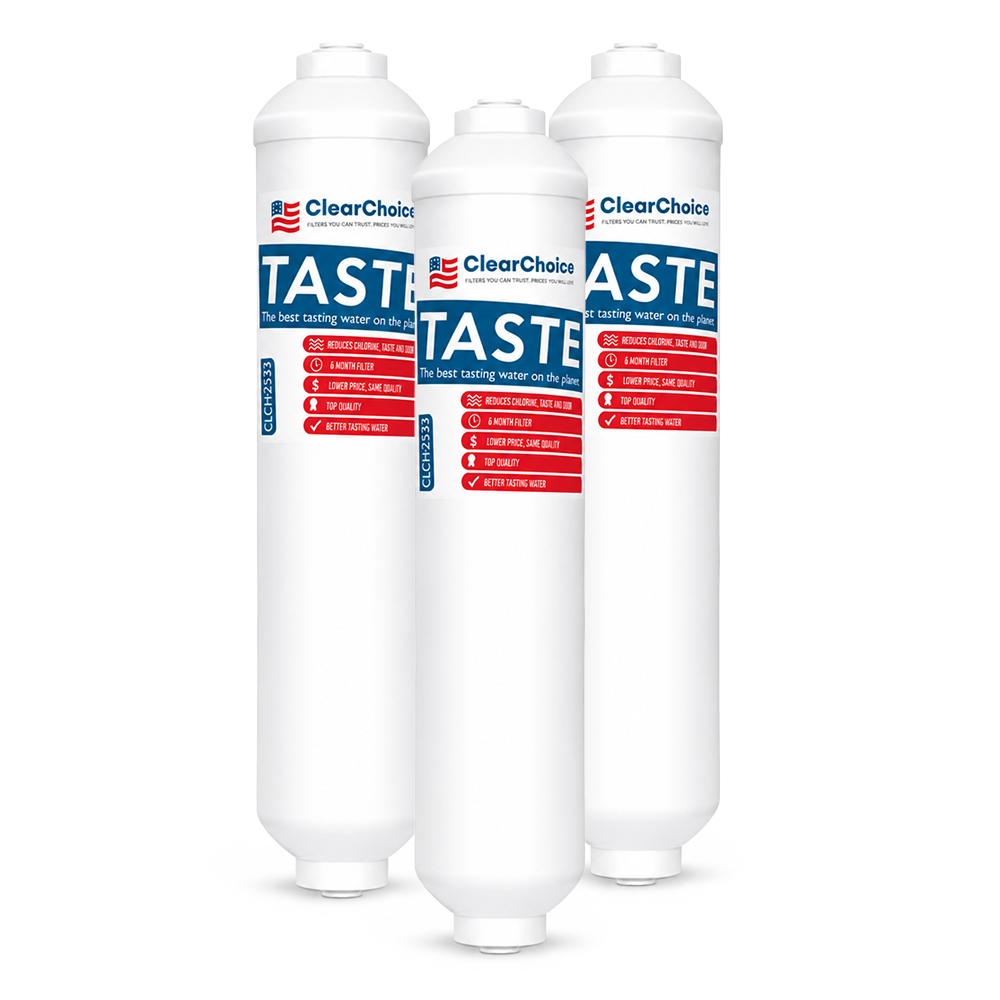
ClearChoice Universal Inline Water Filter, 3-Pack
(case of 3 Filters) MFG#: CLCH2533
$54.95
Product Details
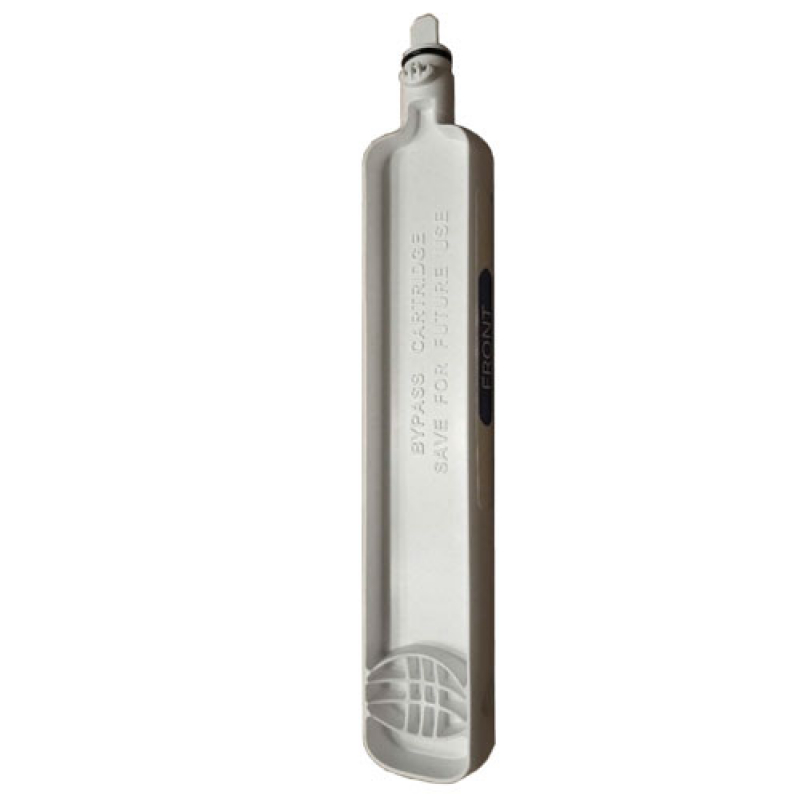
Filter Bypass for GE RPWFE®
Fits refrigerators made by GE which use the proprietary "RPWFE" filter with RFID microchip. Old part number WR17X23645 is replaced by new part number WR01X29059.
This filter bypass is shipped with every new refrigerator - but homeowners often throw them away assuming they won't be needed in the future.
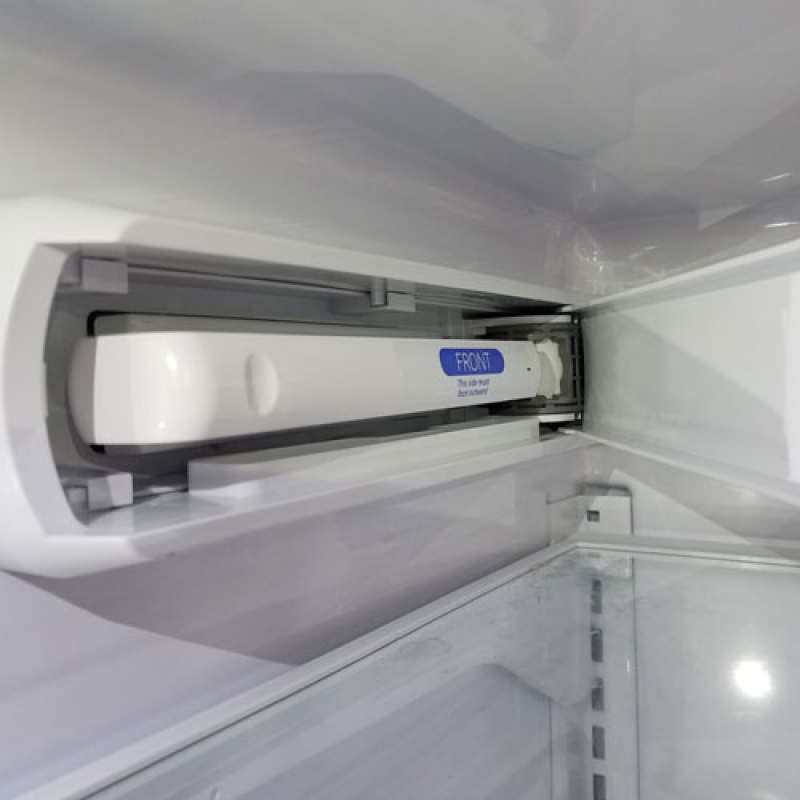
Use this filter bypass in place of the original filter. The filter bypass comes in handy if you wish to run an external water filtration system (like a reverse osmosis system) or if you wish to "bypass" the high cost of the RPWFE filter.
- Use if plumbing externally filtered water to the fridge (reverse osmosis system, whole house filtration system)
- Insures fast flow of water to the fridge for icemaking and water dispensing
- Includes microchip which communicates with the refrigerator. If the bypass is in use - refrigerator will indicate that it is "not filtering"
- Replaces part number WR17X23645