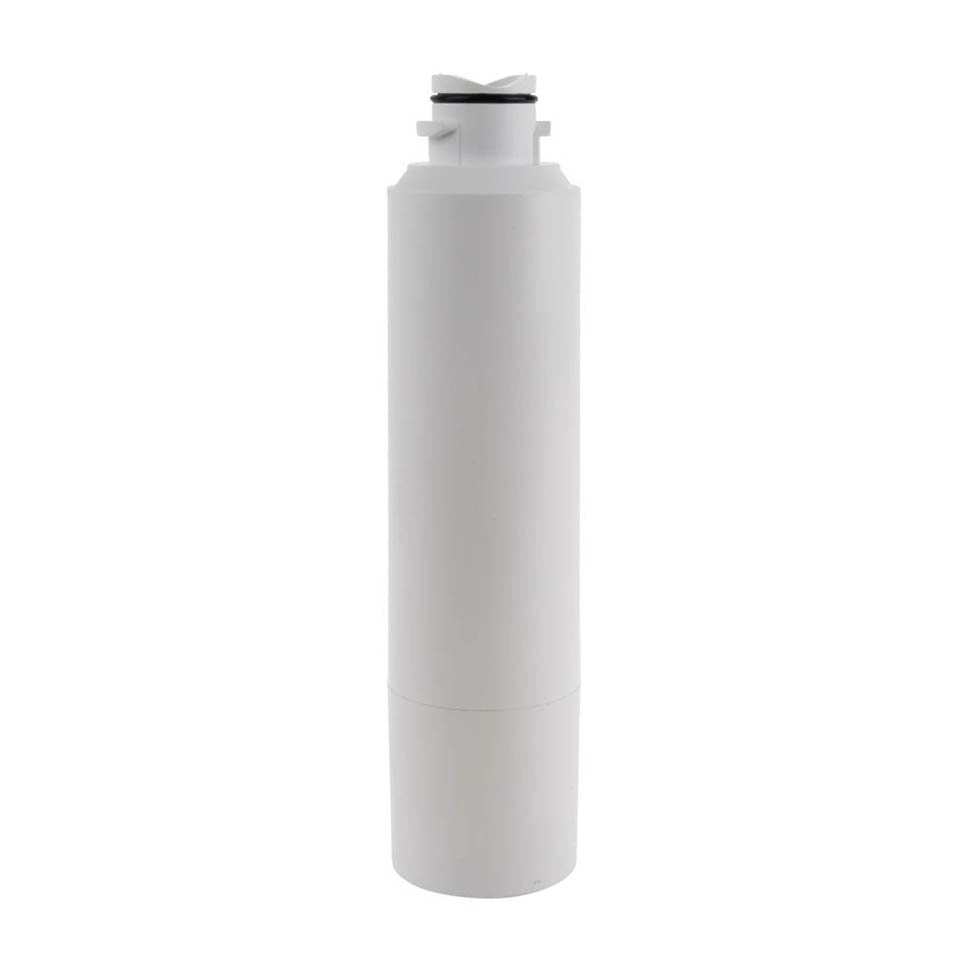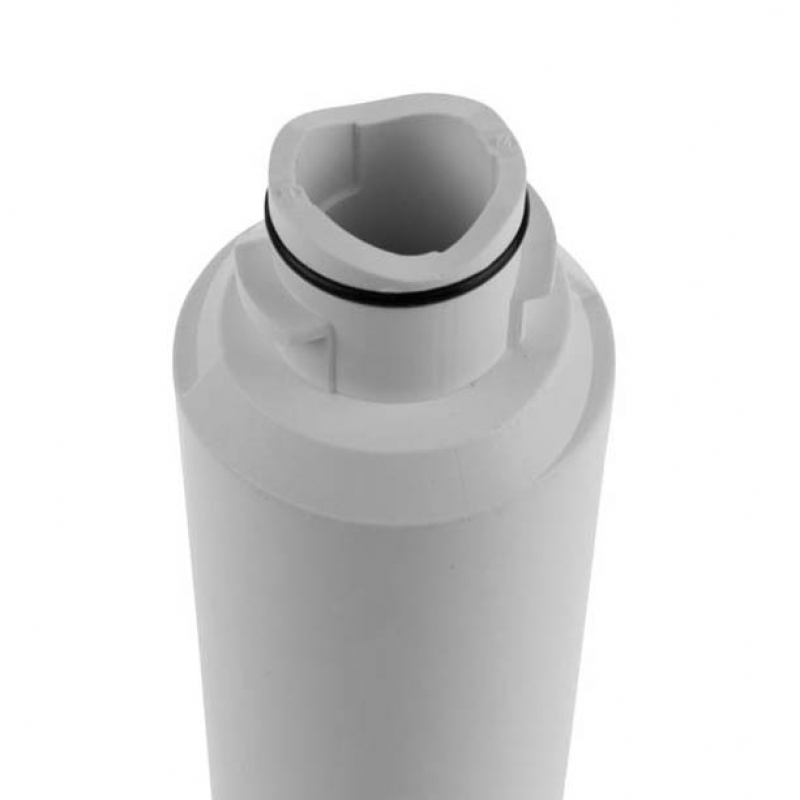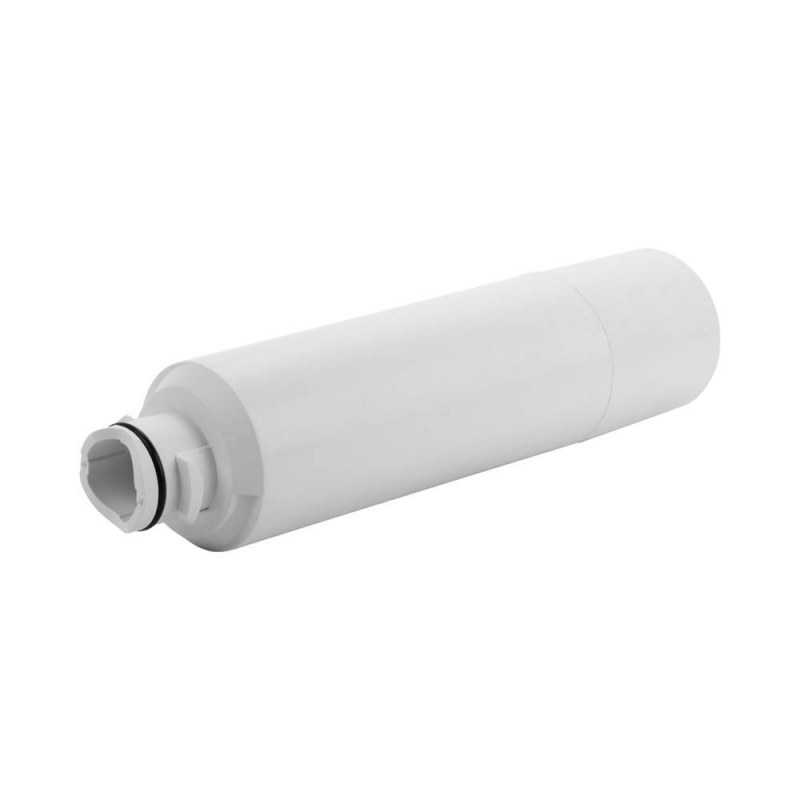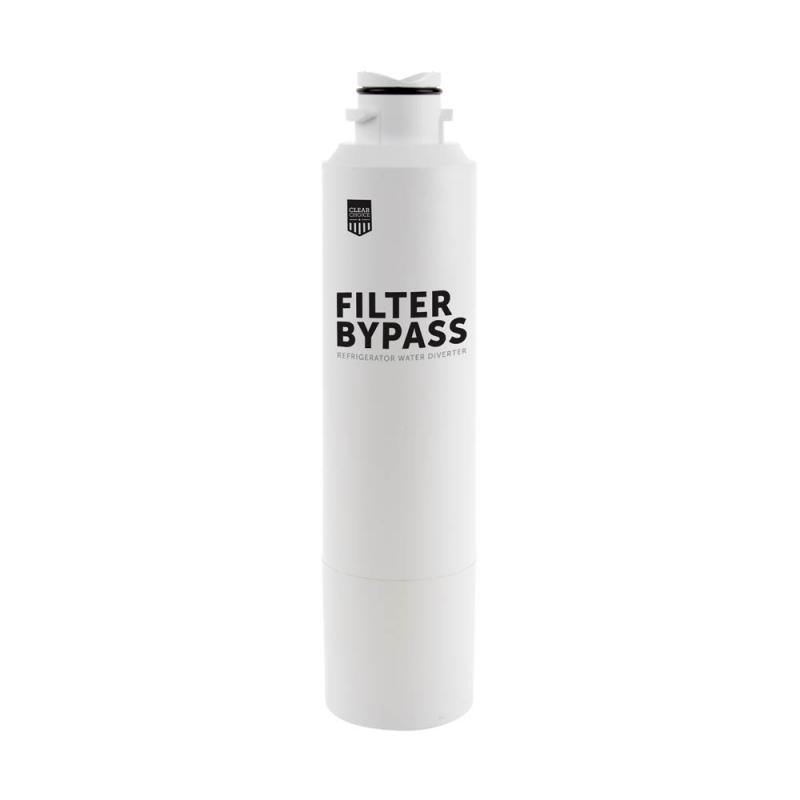









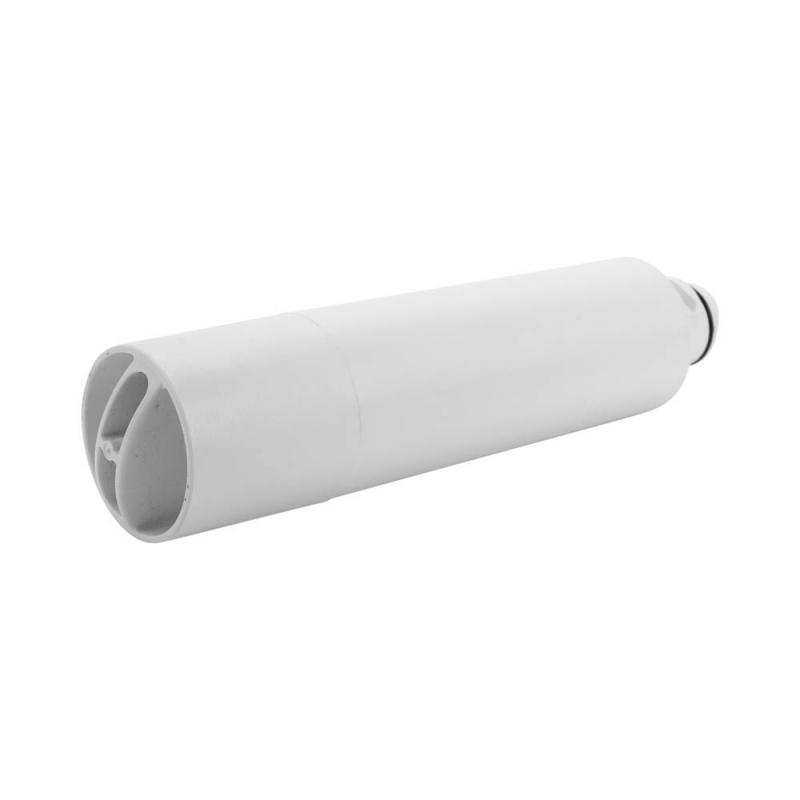
Filter Bypass for Samsung DA29-00020B
WHAT YOU GET
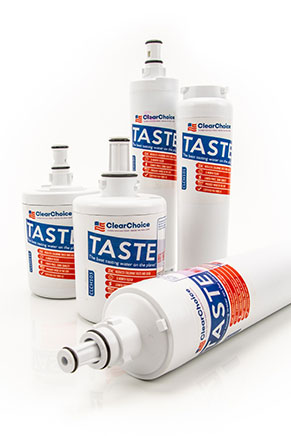
- Advanced activated carbon - Reduces chlorine taste & odor
WHAT YOU GET
- Made with pride in Greenwood, Indiana - Your purchase supports American jobs
- Advanced activated carbon - Reduces chlorine taste & odor
Filter Description
Fits into side-by-side refrigerators made by Samsung
Use this filter bypass in place of the original filter or filter "bypass plug" or "bypass cap" that shipped with your fridge. The filter bypass comes in handy if you wish to run an external water filtration system - like a reverse osmosis system.
Replaces part numbers DA29-00019A, DA29-00020B, HAF-CIN
Use if plumbing externally filtered water to the fridge (reverse osmosis system, whole house filtration system)
Insure fast flow of water to the fridge for icemaking and water dispensing

$29.95
Pack Size
Orders over $70 ship free. $5.99 otherwise.
Compatibility guarantee
Wrong fit, leak, or just doesn’t work? We’ll send the right one. Free return shipping for all orders.
365-day satisfaction
Not happy? Send it back any time in the first year — we’ll make it right. Yes, even an open pack you’ve been running for months.
No-hassle returns
No restocking fees, no return-merch authorization mazes — just start a return and our helpful Customer Experience team will assist.
Carbon Filtration
Activated Block Carbon Technology
The uses activated block carbon technology. Carbon is one of the most adsorptive substances, and its numerous and microscopic pores make it capable of adsorbing many microscopic contaminants. Adsorption is a chemical bond between the surface of the carbon and a molecule (contaminant).
- Activated carbon is a carbonaceous, highly porous adsorptive medium that has a complex structure composed primarily of carbon atoms. The networks of pores in activated carbons are channels created within a rigid skeleton of disordered layers of carbon atoms, linked together by chemical bonds, stacked unevenly, creating a highly porous structure between the carbon layers. Activated carbon is able to attract and capture a whole host of contaminants, including chlorine and other organic chemical compounds.
- Activated carbon means that the carbon has been treated at 1000°C with steam molecules to selectively burn holes into the carbonized raw material, creating a multitude of pores inside the carbonaceous matrix. This process creates so much surface area that a teaspoon of activated carbon has roughly the same surface area as a soccer field!
- Activated block carbon, then, with its use of adsorption, is one of the most effective water filtration methods in use today.
Customer Reviews