





















Sorry, we don't have a furnace or AC filter that fits that selection of 30 x 32 x 1.
Let us help you try and find what you're looking for.
Need Help? Talk to a Filter Expert - We're Real People!
- Live Chat!
- [email protected]
- Toll Free: (888) 407-5688
Furnace & AC Air Filters
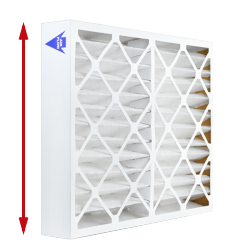
Some air systems use a filter that sits next to the furnace or air conditioner in a closet or basement. These are Furnace & AC Air Filters.
Choose by filter dimensions
Return Grille Filters
Some air systems at home use a filter on the path that returns back to the air conditioner unit. These are Return Grille Filters and tend to sit in a recessed area behind a metal grille in the living area of your home.
Choose by filter dimensions

WHY YOU SHOULD REPLACE YOUR AIR FILTER

Reduce your energy costs with clean filters
A dirty filter in your furnace or AC system will raise your energy bills. A dirty filter restricts the air flow into your system's air handler, causing it to work harder to cool or heat your home.
Improve airflow & efficiency of your furnace
A dirty clogged filter can restrict furnace or AC airflow and potentially cause problems with the system. They also cease to filter allergens and other particulates out of your air.

Increase the longevity of your furnace or AC system
Dirty, unchanged filters can make your furnace or AC system fail completely. Repairing a broken system can end up costing you a pretty penny.
WHAT DO FURNACE AIR FILTER MERV RATINGS MEAN?
MERV (Minimum Efficiency Reporting Value) measures how effectively furnace air filters capture airborne particles. Higher MERV ratings generally capture smaller particles, but it's important to choose a filter compatible with your HVAC system.
| MERV Rating | Recommended Use |
|---|---|
| MERV 8 | Standard household filtration. Good for a family that doesn't smoke, doesn't have pets, and doesn't have bad allergies. |
| MERV 11 | Homes with pets or mild allergies. A MERV 11 filter reduces pet dander, dust, pollen and other particles that are present in your home. |
| MERV 13 | Enhanced filtration for smaller airborne particles, including smaller dust particles, dirt, pollen, mold spores, pet dander and more from your home's air. The MERV 13 filter is typically more expensive and will also put more strain on your HVAC system, however the high quality filtration you will get will be well worth it. |
Most residential HVAC systems perform best with furnace air filters rated between MERV 8 and MERV 13.
Frequently Asked Questions
I'm looking for a 30x32x1 filter for my furnace - will an air conditioning filter work?
Depending on where you live, you might refer to the filter one way or the other. The good news is - it doesn't really matter. All forced air heating/cooling systems use a filter - which serves to keep your equipment clean and to promote good indoor air quality in your home.
What is an HVAC filter?
HVAC stands for Heating Ventilation and Air Conditioning. "HVAC system" refers to the system that regulates (heats/cools) and moves air throughout your home. In addition to keeping your HVAC system clean, your filter removes airborne particles and allergens from the air in your home.
How do I choose my whole house air filters?
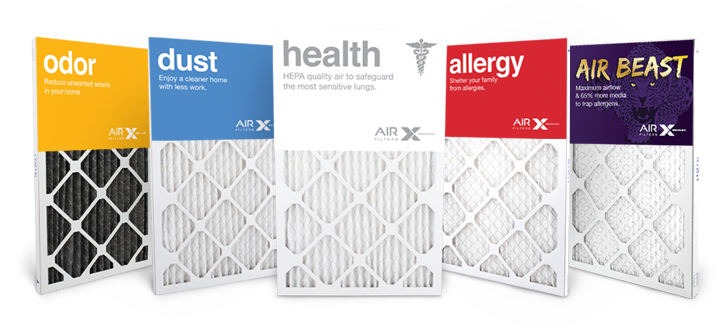
The industry standard for rating the efficiency of air filters is "MERV", which stands for Minimum Efficiency Reporting Value. Manufacturers and retailers have attempted to simplify things by creating different comparison systems. Examples: FPR (Filter Performance Rating), or MPR (Micro Particle Rating), or even a good/better/best/ultimate system. At DiscountFilters.com - we organize our filters into different categories - "Dust", "Allergy", "Health" and "Odor". We provide information on the common contaminants that each filter category removes on our product pages.
How to Choose the Correct 30x32x1 Air Filter?
The first things to consider when looking for an air filter are dimensions. Most air filters will have dimensions printed on the side of the filter frame. The "nominal size" is the size you see printed on the filter; it originates from the actual size, which is rounded up to the nearest whole inch.
What 30x32x1 air filters do you recommend for my furnace and/or air conditioning system?
We carry a huge selection of filters in many different sizes. We stock many more sizes than the local "big box" or hardware store. In most of the common sizes - we might have 5 different choices ranging in price and efficiency. We recommend the AIRx "Allergy" filters (MERV 11) as these offer the best combination of performance and value.
Which Heating and Cooling Systems Are Compatible With 30x32x1 Air Filters?
30x32x1 air filters are compatible with most forced air heating and cooling systems, including:
Central air conditioners
Furnaces
Heat pumps
HVAC systems
Air handlers
A system that forces and circulates air through ductwork, into the rooms, and back through the system requires an air filter, such as a 30x32x1.
Why Does Air Filter Size Matter?
The 30x32x1 air filter dimension is no accident. Manufacturers create filters this size for several reasons:
Structural integrity: Larger filters have less structural stability due to their construction. Most frames are made from cardboard, which can bend or tear with enough air pressure. A 30x32x1 filter is small enough to stay intact.
Adequate air filtration: Filters for this size are large enough to provide proper filtration over a 30 to 90-day period before requiring a replacement.
Compatible with certain systems: 30x32x1 air filters are compatible with certain furnace and air conditioner brands and models.
That is why air filter size matters. If you want optimal performance, you need to match the right filter with your furnace or air conditioner.
What Are AC Filters?
A filter is called an “AC” or air conditioning filter if it’s used in a cooling or air conditioning application. An AC filter traps particles in the air before they enter the AC system. It catches dust, pollen, mold spores, and pet dander so they don't circulate through the house It also protects the air conditioning coil and other cooling components from a build-up of dirt, grime, and other airborne particles.
AC filters can be made of various materials, from fiberglass mesh in a cardboard frame to pleated synthetic fabric in a beverage board frame. As air passes through the porous filter, larger particles get stuck in the fibers or folds. Clean air then flows into your AC unit and eventually into your home.
What Are Furnace Filters?
Furnace filters are the first defense against airborne dirt and dust particles that harm HVAC systems and contribute to dirty indoor air. The filter prevents the dust from building up in the heating components inside the furnace and circulating into the rooms. Filters are referred to as “furnace filters” when they are used in heating applications, but in most cases, they are the very same filters used in air conditioning applications.
How Do AC Filters Differ From Furnace Filters? Are AC Filters and Furnace Filters the Same?
Yes, they are usually the same. Most whole-house HVAC systems use the same system of ductwork for both heating and cooling applications, so the “AC Filter” and “Furnace Filter” are the same component.
AC Filters & Furnace Filters
Like any other HVAC filter, an AC filter stops airborne pollutants in their tracks. They trap the particles so they don't compromise the performance of the cooling coil and other expensive system components. The result is cleaner air and improved system performance.
Where Do I Place the Air Filter?
Look for a slot or cabinet in the air return duct, which you can typically find near the air handler.
How Does an AC Filter Function?
The primary function of the filter is to protect the air conditioning components in the air handler. It traps particles, such as debris, mites, dust, particles, bacteria, allergens, and contaminants as the air circulates through the house.
How Long Does an AC Filter Last?
It depends on whether you have a disposal or washable filter. If you have a disposable filter, you'll need to change it every one to three months, based on manufacturer specifications. A washable filter can last for several years with monthly cleaning.
What Is the Best MERV Rating for AC Filters?
You can purchase an AC filter with the right MERV (Minimum Efficiency Reporting Value) rating for your house. Most experts recommend a MERV rating of 4 to 13 for a proper balance of filtration and airflow.
Types of AC Filters
The best AC filters are pleated. They range from $10 to $60, depending on the size, material, MERV rating, and filter thickness.
Where Do I Place the Filter?
The furnace filter is the same as the AC filter and is installed in the same place. Look for a cabinet or slot on the return side of your air handler/blower assembly. Depending on the system, the filter may be installed in a return grille on the ceiling or wall (more information on this later in the article).
How Does a Furnace Filter Function?
Furnaces are notorious for dust and dirt buildup, which affect system performance. The filter drastically reduces particle buildup. It traps dust, contaminants, allergens, and, in some cases, harmful bacteria.
How Long Does a Furnace Filter Last?
The main thing you need to consider when considering furnace longevity is thickness, which translates into surface area. For instance, a 1" thick furnace requires replacement every three months. A 4-5" thick filter can last up to nine months or even an entire year.
What Is the Best MERV Rating for Furnace Filters?
Most homes require a filter with a MERV rating of 4-13. You want a filter that balances proper filtration with unrestricted airflow. Check with the furnace manufacturer to find out the best filtration options.
Types of Furnace Filters
When it comes to furnace filters, you have lots of options. Choose from fiberglass, polyester, pleated, carbon, and washable. Filters cost between $15 and $100, depending on the type of filter you buy.
How Long Does a Furnace Filter Last?
The main thing you need to consider when considering furnace longevity is thickness, which translates into surface area. For instance, a 1" thick furnace requires replacement every three months. A 4-5" thick filter can last up to nine months or even an entire year.
Do Furnaces and ACs Share Filters?
A traditional HVAC system combines a central air conditioner and a furnace. Both heating and cooling systems distribute air through the same ductwork, which circulates the air through your home.
Since both units share the same ductwork, they may also share the same air returns. If so, both the air conditioner and the furnace use shared filters. The same filter cleans the air regardless of which system you turn on.
There are some benefits of using shared filters:
Less hassle when shopping for filters
More bundle options, more savings
No more searching for different sizes
Consistent replacement schedule
Replaceable and washable options are available
The Importance of Changing Filters for AC and Furnace Units
Americans now spend around 90% of their time indoors, where air can be 2-5 times more polluted than outdoor air, according to the EPA.
Air filters are the primary component that helps you maintain a cleaner environment in your home. For this reason, they are a core part of AC and furnace maintenance. Here are five practical benefits of changing filters according to manufacturer specifications:
1. Improve the Air Quality in Your Home
An air filter traps dust, pollen, pet dander, mold spores, and other airborne particles, resulting in cleaner air. Changing the filter allows it to trap particles more effectively.
2. Get Higher Efficiency from Your System
According to the Department of Energy, regularly changing your air filter can save you 5-15% of energy consumption and utility bills. Preventing dirt buildup allows the air to flow more smoothly so that the unit doesn't have to work harder than necessary.
3. Extend the Life of Your System
Most air conditioners and furnaces last ten to 15 years. However, you must provide ongoing maintenance if you expect them to last that long. Doing something as simple as changing the filter reduces wear and helps the moving parts last longer. It can also prevent you from voiding your warranty if you have a problem with your AC or furnace.
4. You Pay for Fewer Repairs
A furnace or air conditioner needs repair mainly because it has moving parts. These include a blower motor, compressor, evaporator coil, condenser fan, and heat exchanger. Dust and dirt buildup make it difficult for the parts to move. Eventually, they need repair. A filter can reduce buildup, allowing the parts to last longer with fewer repairs.
5. You Achieve More Temperature Control
When the air is cleaner, the HVAC can regulate airflow. As a result, you can maintain the desired temperature more consistently. You get balanced airflow coming through every vent in the house. Plus, you get more accurate readings on your thermostat.
How Often Should I Change the Furnace or AC Filter?
Both HVAC manufacturers and technicians replace the filters every 90 days. If you change the filter sooner than that, you may waste money. If you change it later, you get a dirty system. You must consult the furnace or AC owner manual, as each system has specified requirements.
If you opt for washable air filters, you only need to change them once every five years. The tradeoff is that you need to clean the filter. How often?. At least once a month. Again, check with the HVAC or filter manufacturer for the best replacement schedule for HVAC efficiency.
What Is a Return Air Grill Filter?
An air grill filter allows air from your rooms to flow back into your home's HVAC system to be heated or cooled again. Some return air grills have a filter slot where you can insert a filter. The filter catches dust, pet hair, and other particles before the air re-enters the HVAC system.
Regularly replacing these filters is important because clogged filters make your HVAC system work harder, wasting energy and money. They also prevent dirt and dust from building up inside your HVAC equipment.
Do I Need Both a Furnace Filter and a Return Air Grille Filter?
You will normally use one or the other - but not both. Return air grille filters are typically used in parts of the country where the HVAC equipment is not easily accessible - like an attic or crawlspace.
What Are the Different Types of AC and Furnace Filters?
HEPA Filters
HEPA (High-Efficiency Particulate Air) filters are made of dense mats of fine fiberglass fibers. They can remove at least 99.97% of airborne particles as small as 0.3 microns. HEPA filters have very high MERV ratings, typically between 17 and 20.
HEPA filters are commonly used in hospitals, cleanrooms, and homes of people with severe allergies or respiratory issues. However, if not properly sized for the HVAC system, they can significantly restrict airflow. Therefore, they are almost never used in residential HVAC applications.
Electrostatic Filters
Electrostatic filters use static electricity to attract and capture particles from the airstream. They don't restrict airflow as much as other high-MERV filters. The average MERV rating for electrostatic filters is around 10-16.
Some electrostatic filters are washable and can be reused for long periods of time.
When properly maintained, they can effectively remove pollen, dust, smoke, and smog particles.
Carbon Filters
Carbon filters contain activated carbon or charcoal that helps remove odors, gases, and larger airborne particles. They have relatively low MERV ratings, around 4-8. Carbon filters are often combined with particle filters to improve indoor air quality.
Their main purpose is absorbing volatile organic compounds (VOCs), smoke odors, and other gaseous pollutants rather than particulate matter.
Pleated Air Filters
Compared to flat panel fiberglass or polyester filters, pleated filters increase the surface area available for particle capture. They also allow higher MERV ratings for residential use, typically between 7 and 13.
The pleated design also reduces airflow resistance. Pleated filters can remove pollen, dust mites, mold spores, lint, and pet dander. Higher MERV pleated filters may require more frequent changing to avoid excessive pressure drop.
How Do You Maintain Your 30x32x1 AC and Furnace Filters?
Regarding filter maintenance, you have two main choices for AC and furnace filters: replaceable and washable. Both types of filters offer pros and cons. For instance, you don’t have to clean replaceable filters. Conversely, you don’t have to keep buying washable filters.
Let’s look at best practices for maintaining each type of filter and the impact of maintenance on HVAC system longevity.
What Are the Best Practices for Filter Maintenance?
Disposable Filters
As a rule, you want to replace most air filters every 90 days. For most filters, the three-month mark is when the filter has reached capacity for filtering out particles while not restricting airflow. Ninety days is typically the standard for pleated filters. Fiberglass and polyester panel filters should be replaced monthly.
Washable Filters
Clean the filters every month, depending on your home environment and the type of filter you have. If you have pets or allergies or live in a dusty area, you’ll want to clean the filters more often. Follow the manufacturer's instructions for cleaning the filter.
Air Conditioner Filter Replacement: 5 Signs That Your Current Air Filter Needs Replacing
If your AC or furnace isn't cooling/heating as effectively as before or the airflow weakens, a clogged filter could restrict proper operation. A dirty filter forces the HVAC system to work harder, leading to higher energy bills without changing thermostat settings. Here are some common signs that you need to replace or clean the filter:
It’s a dirty air filter with visible dust and dirt buildup on the filter
Poor system performance
Increased energy consumption
Unusual noises from the HVAC unit
Musty or unpleasant odors
Strange sounds like humming or rattling can indicate strain on the system from a blocked air filter. Dirty filters can accumulate damp debris, bacteria, and contaminants that produce stale, musty smells when the system runs.
Do more expensive furnace filters really make a difference?
More expensive furnace filters usually contain more filter material — often with additional pleats and higher-quality media. This design increases surface area, which can improve dust and particle capture. However, the real benefit depends on your system and air quality needs, not just the price tag.
Which air filter is better, Merv 11 or Merv 13?
A MERV 13 filter captures smaller particles and provides more efficient filtration than MERV 11. However, the higher resistance can put extra strain on your HVAC system if the filter isn’t changed regularly. MERV 11 is often a good balance between airflow and filtration for most homes.
What are the symptoms of a dirty furnace filter?
Common symptoms of a dirty furnace filter include reduced airflow, longer heating cycles, and uneven temperatures in the home. You might also notice more dust, higher energy bills, or the system running louder than usual. Replacing the filter often resolves these issues quickly. Many service calls could be prevented simply by replacing the filter regularly.
What happens if I don't change my furnace air filter?
If you don’t change your furnace air filter, airflow can become restricted, causing your system to work harder and run less efficiently. This can lead to higher energy bills, poor indoor air quality, and even overheating or system shutdowns. In many cases, avoidable HVAC service calls are caused by a neglected filter.
Can I clean my furnace air filter instead of replacing it?
Most disposable furnace air filters cannot be cleaned and should be replaced when dirty. Trying to wash or vacuum them can damage the filter media and reduce performance. Only specific reusable or washable filters are designed to be cleaned, and those must be maintained according to the manufacturer’s instructions.
How do I replace my air filter?
To replace your air filter, turn off your HVAC system and locate the filter slot—usually at the return air grille or inside the furnace. Slide the old filter out, check the airflow arrow on the new filter, and insert it in the same direction. Close the panel and turn the system back on.
Why does my central air have 2 filters?
Some central air systems have two filters because the home uses multiple return air grilles. This system design is common in regions where the air handler is in an attic or crawlspace and regular access is difficult.
Will air filters help my house smell better?
Standard air filters can help reduce some dust and airborne particles, but they don’t do much to remove odors. Filters with activated carbon or specialized odor-control media are better at capturing smells from pets, cooking, or smoke. For noticeable improvement, choose a filter designed specifically for odor reduction and replace it regularly.
What air filters are best for my home?
Choosing the best air filter for your home depends on your HVAC system and air quality needs. For most homes, filters rated around MERV 8 to MERV 11 strike a good balance of filtration and airflow.
How to Properly Install 20x30x1 Air Filter?
Turn off the HVAC system, insert the 20x30x1 filter with the airflow arrow pointing toward the furnace, and ensure it fits snugly. Replace the cover and turn the system back on.
Is There A Downside to High MERV Filters?
It's possible that high MERV filters can restrict airflow if your HVAC system isn’t designed for them or if they are not replaced in a timely fashion. They can also cost more and may need more frequent replacement.
What MERV Rating Is Best for Home Use?
For most homes, a MERV 8–11 filter offers the best balance of airflow, filtration, and system protection. Homes with allergies or pets may benefit from MERV 11.
How to Properly Install 12x12x1 Air Filter?
Turn off the HVAC system, insert the 12x12x1 filter with the airflow arrow pointing toward the furnace, and ensure it fits snugly. Replace the cover and turn the system back on.
How to Properly Install 14x14x1 Air Filter?
Turn off the HVAC system, insert the 14x14x1 filter with the airflow arrow pointing toward the furnace, and ensure it fits snugly. Replace the cover and turn the system back on.
How to Properly Install 12x24x1 Air Filter?
Turn off the HVAC system, insert the 12x24x1 filter with the airflow arrow pointing toward the furnace, and ensure it fits snugly. Replace the cover and turn the system back on.
Is it better to use cheap or expensive air filters?
More expensive air filters usually provide better filtration and last longer, improving indoor air quality. However, the best choice is a filter that balances cost, proper airflow, and your HVAC system’s capabilities.
What MERV rating do I need for home?
Most homes do well with a MERV 8–11 filter, which balances good air filtration with proper airflow. Choose MERV 11 if you have allergies or pets
Can a high MERV filter damage my HVAC?
Yes, a high MERV filter can damage your HVAC system if it isn’t replaced appropriately and becomes clogged, restricting airflow
What is the best air filter for HVAC?
Most homes do well with a MERV 8–11 filter, which balances good air filtration with proper airflow. Choose MERV 11 if you have allergies or pets
What happens if your air filter is too big?
If an air filter is too big, it may not fit properly, causing it to bend, leave gaps, or fail to install at all. This can allow unfiltered air to bypass the filter and reduce system efficiency.
Can I wash and reuse a furnace filter?
Most disposable furnace filters should not be washed, as water damages the filter media and reduces effectiveness.
How to Properly Install 16x24x1 Air Filter?
Turn off the HVAC system, insert the 16x24x1 filter with the airflow arrow pointing toward the furnace, and ensure it fits snugly. Replace the cover and turn the system back on.
What’s the difference between pleated and fiberglass filters?
Pleated filters use folded material to capture smaller particles and provide better filtration, while fiberglass filters mainly trap large debris. Fiberglass filters are cheaper but less effective at improving indoor air quality.
What happens if you use the wrong size furnace filter?
Using the wrong size furnace filter can cause air leaks around the filter or restrict airflow if it doesn’t fit correctly.
What is the highest quality air filter?
The highest-quality air filters for home HVAC systems are high-MERV pleated filters (typically MERV 11–13), which capture fine particles while maintaining good airflow. True HEPA filters offer the best filtration overall but usually require special systems, not standard residential HVAC.