



































Sediment Water Filters
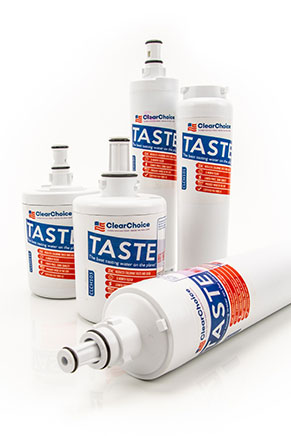
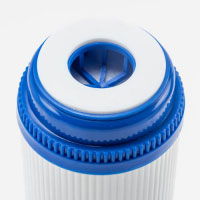
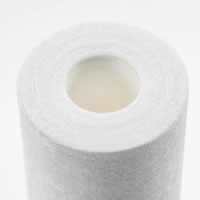
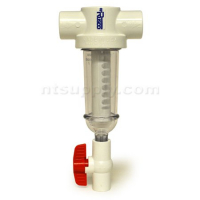
Sediment filters are designed to capture physical debris in your water supply, like sand, silt, dirt, rust, and scale, before it reaches your appliances, plumbing, or drinking water system. Whether you need a whole house water sediment filter, an under sink pre-filter, or a reverse osmosis sediment filter, you’ll find the right option here.Our selection includes pleated sediment filters, polyspun depth filters, string wound sediment filters, and spin down sediment filters, plus combination filters with carbon for added chlorine reduction.
Choose a related category below
Frequently Asked Questions
What do sediment filters do?
Sediment filters are the first line of defense against suspended particles in your water like dirt, rust and scale.
What are the different sizes for sediment filters?
There are 4 common sizes for sediment filters. For under sink applications - a 2-1/2” X 10” size is most common. For whole house and well water applications - a larger 4-1/2” X 10” format is common - and sometimes referred to as “Big Blue”. 4-1/2” X 20” filters are also used in residential whole house and commercial application. 2-1/2” X 20” filters are most used in commercial food and beverage applications.
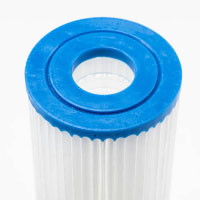
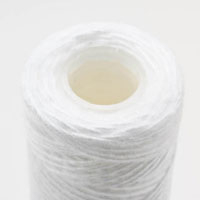
What is the difference between pleated, polyspun, and string wound filters?
All of these sediment filters are constructed from polyester or polypropylene materials and they all perform in much the same way.
Do I need to add a sediment filter system if I have a well?
Yes. Private wells are more prone to sediment contamination than city water. Adding a whole house sediment filter will protect appliances and make plumbing fixtures last longer. Sediment filters are often used a pre-filters for water softeners.
Can a sediment filter improve water pressure?
A sediment filter can improve water pressure if your plumbing or fixtures are being restricted by sediment buildup. However, if a filter becomes clogged over time, it may reduce water pressure, which is usually a sign it’s time to replace the cartridge.
What are the signs a sediment filter needs to be replaced?
Common signs include reduced water flow, noticeable drops in water pressure, cloudy water returning, or visible sediment collecting in fixtures. If you’re replacing filters more often than expected, you may need a higher-capacity filter or a pre-filter stage.
Should I use a sediment filter before a carbon filter?
Yes, in most cases, sediment filtration should come first. A sediment filter protects carbon filters by removing dirt and debris that can clog the carbon media early. This usually improves performance and helps the carbon filter last longer.
What’s the difference between a sediment filter and a carbon filter?
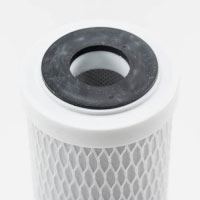
A sediment filter removes physical particles like sand, silt, rust, and scale. A carbon filter is designed to reduce chemicals and taste/odor issues, such as chlorine and certain organic compounds. Many water systems use both for best results.
Are sediment filters safe for drinking water?
Yes, sediment filters are safe for drinking water and are commonly used in filtration systems to reduce particles that make water cloudy or gritty. For improved taste and odor, many households pair them with a carbon filter or reverse osmosis system.
Can sediment filters be cleaned and reused?
Some sediment filters, especially pleated sediment filters, can sometimes be rinsed and reused depending on the model. Polyspun and string wound filters are usually designed for replacement, not cleaning. Always follow the filter manufacturer’s recommendations for best results.
What Our Customers Have to Say
