Renter’s Guide To Home Efficiency

What To Look For Before You Sign A Lease

By: Krysten C.

As a recent college grad, I’ve learned a lesson or two about crappy apartments and how it can give your wallet a real beating. So, here’s to sharing the knowledge that I wish I had had before signing on the dotted line (and to venting).

WHAT OUR EYES SEE

There are a few factors that persuade us into deciding to live at a specific apartment or house: location, cost, and space. These factors can really make or break your decision. However, what about the things that are going to matter when you’re actually living in that location and paying the utilities for that space?

For instance…

My freshman year of college, I lived in a 9’ x 12’, un-air conditioned shoe box of a dorm room that I shared with a roommate. While the location was on campus, which meant that I practically could roll out of bed and into class, there were very few perks to actually living there.  Location: check, anything else: negative.

Sophomore year, I was looking for something much better and landed in a newly built, luxury apartment complex where I rented a two-bedroom town-home with a friend. Furniture was included, energy bills were low, and the appliances and space were perfect. However, I was writing a fat check for rent each month and I had to drive 5-10 minutes to park at the university stadium, to catch a bus, to get to class. Space and utilities: check, location and rent: negative.

Junior year, my roommate and I decided that the luxury wasn’t worth the hassle. We were prepared to downgrade for a better location and cheaper rent. We were college kids, which meant our priorities were definitely set on proximity to class (and *cough* parties) and how much we were taking out of our wallets each month (or badgering our parents to pay). We moved. It wasn’t the nicest of apartments, but it worked. Well, until reality set in that is.

WHAT WE HOLD A BLIND EYE TO

Continue reading

Share on FacebookShare on TwitterShare via emailShare on LinkedInPin it on Pinterest

Water Bottle Bust

Why Bottled Water Is A Waste

By: Krysten C.

So, you think you’re cool carrying around, ordering, and purchasing bottled water. After all, it’s the “cleanest,” “healthiest” – and if you’re really cool, your water is even “smart.” Here’s the thing, you’re wrong.

WATER BOTTLE WHY NOTS

  • The growing usage of plastic water bottles and the amount of waste that comes with it is a problem that is increasingly growing around the world.
  • BBC reports that, “Empty bottles, made of petroleum-based plastic, accumulate as non-biodegradable rubbish along city streets, in rivers, in parks, on beaches, and ultimately, they can end up in the ocean. Floating in the Pacific is the Eastern Garbage Patch, a large heap of trash twice the size of Texas, according to the Los Angeles Times. The vast majority of it is plastic.”
  • If tap water cost the same amount as the cheapest bottled water, then monthly water bills would cost $9,000. Ouch.
  • Each year, our landfills and litter chalk up $1B worth of plastic water bottles. Talk about a waste of money.
  • If you think gasoline prices are through the roof, then guess how much bottled water costs? $10 per gallon.
  • It takes 1.5M barrels of oil to make plastic bottles each year. With that oil, 100,000 Americans could fuel their cars for a year.
  • 30 billion plastic water bottles are thrown away every year. With plastic taking thousands of years to disintegrate, toxic waste is continuing to build in the Pacific Ocean.

WHAT YOU’RE REALLY GETTING WITH WATER BOTTLES

Here’s the thing, top bottled water produces such as Aquafina (Pepsi) and Dasani (Coke) are practically stealing your money. Aquafina and Dasani account for 24% of all US bottled water sales. However, all that these companies do is treat their municipal tap water and resell it at a premium mark-up. So for what your refrigerator water filter can do, you’re paying premium.

Do The Math:

Let’s just say that your refrigerator filter from DiscountFilters.com costs you $66.55 for a year’s supply (2 filters).  You can use this water for drinking, cooking, washing dishes, whatever.

On the other hand, if the average person purchases 167 bottles of water a year at the cost of $1.25, it costs $208.75 a year – and that’s just for drinking water.

Additionally, a recent study reported that the cost of bottled water is 7.5 times the cost of tap water.

Let’s Get Real:

A lot of people live under the assumption that bottled water is healthier for them. However, this belief doesn’t hold up in reality. Actually, tap water is more regulated because it has to be under FDA rules. Some bottled water can actually be contaminated because it doesn’t have to be filtered and is often filtered superficially to improve taste and smell. In fact, the plastic used for bottled water can contaminate the water.

In reality, your best bet for your wallet and the environment is to use your tap water and purchase a refrigerator water filter for drinking water. The difference that each person can make by doing so goes beyond yearly savings and into the world’s water that we rely on to keep us alive.

Sources:
Drop The Prop: http://www.droptheprop.info/bottled-water-statistics
Friendsofwater.com: http://www.friendsofwater.com/Water_Filters.html
Statistic Brain: http://www.statisticbrain.com/bottled-water-statistics/
Share on FacebookShare on TwitterShare via emailShare on LinkedInPin it on Pinterest

Win A Year’s Supply Of Fridge Filters

Participate To Win
By: Krysten C.

We all know that more than ever, drinking water is crucial to keeping hydrated during these hot summer months. However, DiscountFilters.com takes it further than that. We want you drinking clean water, all year around. That’s why we’re making it easy to win a year’s supply of fridge filters by participating in our “Where’s Your Water Filter” Photo Contest.

For a chance to win, just snap a picture of your refrigerator water filter and post it onto our Facebook page. On July 13th, a winner will be drawn. But, don’t worry if your name isn’t selected. We’re sending free water bottles to everyone who participates. Either way, it’s a win-win situation for everyone.

Share on FacebookShare on TwitterShare via emailShare on LinkedInPin it on Pinterest

Why You Need A Refrigerator Water Filter

Getting To The Point About Fridge Filters

By: Krysten C.

You may have asked yourself why you need to change your refrigerator water filter or why you need to filter your water. To answer why is simple – because you don’t want to consume the things that your filter is cutting out of your water. Like what? You may ask.

  • Lead
  • Radon
  • Arsenic
  • Nitrates
  • Pesticides
  • Disinfection process byproduct
  • Contaminants
  • Microbes
  • Bacteria

*Source: everydayhealth.com

Want to learn more about filtering your water? Check it out here!

Share on FacebookShare on TwitterShare via emailShare on LinkedInPin it on Pinterest

Spring Cleaning For Your Air Conditioner Filter

How To Clean Your Washable Filter

By: Krysten C.

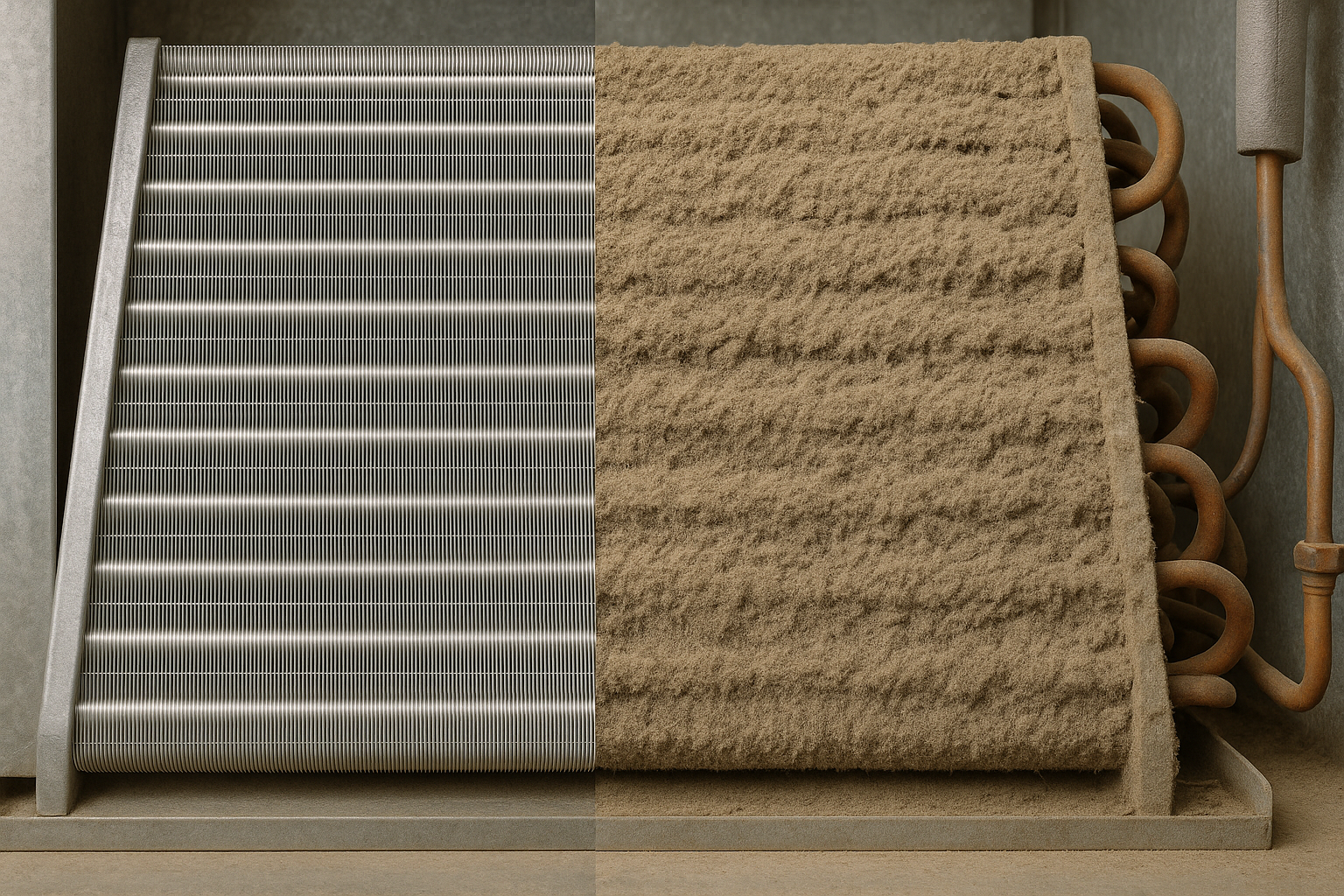
So you wanted to save some money by purchasing a reusable/washable air conditioner filter. However, part of saving money on the overall cost is making sure that you actually wash it. Otherwise, you’ll be putting extra money toward your utility bill when your air conditioner has to go into overdrive just to push your air past all the dust and debris that’s built up. Here’s a guide to cleaning your air conditioner filter.

HOW TO

  1. Turn off the electricity to your air conditioner, first and foremost.
  2. Remove the air conditioning unit cover.
  3. Now, you’ll be able to remove your ac filter. Do so.
  4. Vacuum off as much dust and debris from the filter as possible. Also, make sure to vacuum around the ac unit as well.
  5. There are many different solutions that you can use for cleaning your filter. However, we suggest mixing ½ white vinegar and ½ water in a tub large enough to be able to submerge your ac filter. (the solution helps to remove bacteria and kill allergens)
  6. Let it soak. If you clean your ac filter regularly, an hour should do the trick. If you’ve been skimping a bit, let it soak for several hours.
  7. After soaking, remove the filter from the solution and let it sit to dry. Don’t rinse it.
  8. Once thoroughly dried, replace the filter and ac cover. Don’t forget to turn the electricity back on and enjoy the clean, and hopefully cool, air.

QUESTIONS? CONCERNS?

Ask us!

Share on FacebookShare on TwitterShare via emailShare on LinkedInPin it on Pinterest

Water, Water, Everywhere

What’s Up With Your Water Usage?

By: Krysten C.

UWhere is your water going?nless you’ve been subjected to the indoors only, you’ve noticed how hot it’s getting outside. In spring and summer months, water usage becomes ever important. We are using water to hydrate, cool off, and clean off from all the activities taking place on a day-to-day basis. Knowing what appliances and activities take up the most amount of water usage and how much will help get you thinking about where you can save a little.

EASY WAYS TO CONSERVE INDOORS:

  • Replace your refrigerator water filter. You’ll save the time and water wasted on throwing out water cups and ice cubes filled with black flecks (and that’s just what you can see!).
  • Try running your dish and clothes washers only when they are fully loaded.
  • Defrost frozen foods in the microwave (most have a defrost setting that can be quite handy) or in the refrigerator if you have enough time, instead of running water over frozen items.
  • Plug up the sink when washing dishes by hand. Using two basins, one for washing and one for rinsing are also helpful. The key is to not let your water run throughout the duration of washing your dishes.
  • When brushing your teeth, there’s no need to let the water run. This is a great habit to start, definitely with kids.
  • Bust out your pliers and repair leaky faucets and toilets. “Dripping faucets can waste about 2,000 gallons of water each year. Leaky toilets can waste as much as 200 gallons each day,” says DrinkTap.org.

EASY WAYS TO CONSERVE OUTDOORS:

  • Easy on the watering. Keep your lawn watering to every 3-5 days in the summer & 10-14 in the winter. Take in to account how much rainfall has occurred.
  • Avoid watering your lawn in the hottest part of the day to avoid evaporation. Also, avoid watering when it’s windy. You’ll end up watering your driveway, neighborhood walkers, and yourself more than your yard.
  • Cover up your swimming pool, if you’re so lucky to have one (we’re jealous). This will cut your loss of water by evaporation down 90%.
  • Getting down and dirty and washing your car is great, but be mindful of how much water you’re using. Also, if you’ve put your kids up to washing the car for you, they may need to supervision.

Want to find more great ways to conserve water? Of course you do! Check out this list of 100 Ways To Conserve Water.

Share on FacebookShare on TwitterShare via emailShare on LinkedInPin it on Pinterest